
Ebola Virus Brochure
Ebola Virus Brochure - Middle east respiratory syndrome coronavirus (mers. Ebola virus disease (evd), formerly known as ebola haemorrhagic fever, is a severe, often fatal illness in humans. If you notice any of these signs and symptoms above, go to the nearest health centre immediately. • ebola virus disease, formerly known as ebola haemorrhagic fever • fruit bats of pteropodidae family are natural ebola virus hosts • rare, but severe and often fatal illness in. Fact sheets, brochures, signs, and other materials that you can print and use. Remember, there is no drug or vaccine against ebola virus disease ! Ebola virus, sudan virus and bundibugyo. Ebola disease is fatal in between 25% to 90% of all clinically ill cases, depending on the virus strain, the person’s age, and other factors including immunocompromise. The world health organization (who) is building a better future for people everywhere. Ebola is a virus that can cause disease in people and in nonhuman primates. Download the printable pdf on this page. Historically, ebola outbreaks have been relatively small, but infections are severe, typically causing death in. Download a printable color poster in.jpg format, showing how infection with an orthoebolavirus causes ebola disease, a zoonotic disease that involves animals and people. There are six known species of viruses. This poster displays ebola basics (transmission and symptoms) in an infographic style. Ebola disease is fatal in between 25% to 90% of all clinically ill cases, depending on the virus strain, the person’s age, and other factors including immunocompromise. Ebola disease is caused by an infection with an orthoebolavirus. Three different viruses are known to cause large ebola disease outbreaks: Ebola virus disease (formerly known as ebola hemorrhagic fever) is a severe, often fatal illness, with a death of up to 90%. Local response capacity for laboratory systems, virus surveillance, case management, logistics and community engagement. Ebola virus disease (evd) is a rare and deadly disease in people and nonhuman primates. It is intended for communities in the u.s. Ebola is a virus that can cause disease in people and in nonhuman primates. Ebola virus disease (formerly known as ebola hemorrhagic fever) is a severe, often fatal illness, with a death of up to 90%. There. Ebola is a virus that can cause disease in people and in nonhuman primates. The world health organization (who) is building a better future for people everywhere. It is a sickness that can be deadly without early treatment. Ebola virus disease fact sheet overview ebola, previously known as ebola hemorrhagic fever, is a rare and deadly disease caused by infection. If you notice any of these signs and symptoms above, go to the nearest health centre immediately. The world health organization (who) is building a better future for people everywhere. Local response capacity for laboratory systems, virus surveillance, case management, logistics and community engagement. Ebola fact sheet introduction ebola is real. Ebola virus disease (evd) is a rare and deadly. Ebola virus disease (formerly known as ebola hemorrhagic fever) is a severe, often fatal illness, with a death of up to 90%. Ebola can kill 90% of those it infects, but with help from the global vaccine stockpile, every outbreak that has occurred since 2021 has been quickly contained. Ebola virus disease (evd) is a rare and deadly disease in. It is intended for communities in the u.s. Fact sheets, brochures, signs, and other materials that you can print and use. • ebola virus disease, formerly known as ebola haemorrhagic fever • fruit bats of pteropodidae family are natural ebola virus hosts • rare, but severe and often fatal illness in. Ebola disease is fatal in between 25% to 90%. Ebola disease •ebola disease is a severe, often fatal illness in humans. Ebola virus disease fact sheet overview ebola, previously known as ebola hemorrhagic fever, is a rare and deadly disease caused by infection with one of the ebola virus species. Historically, ebola outbreaks have been relatively small, but infections are severe, typically causing death in. Orthoebolaviruses can cause serious. Ebola virus, sudan virus and bundibugyo. Ebola virus disease (formerly known as ebola hemorrhagic fever) is a severe, often fatal illness, with a death of up to 90%. Ebola can kill 90% of those it infects, but with help from the global vaccine stockpile, every outbreak that has occurred since 2021 has been quickly contained. Ebola enters the human population. Ebola disease is a severe, often fatal illness in humans. Ebola disease is caused by an infection with an orthoebolavirus. Health lays the foundation for vibrant and productive communities, stronger. Local response capacity for laboratory systems, virus surveillance, case management, logistics and community engagement. Ebola can kill 90% of those it infects, but with help from the global vaccine stockpile,. The disease can progress as a viral haemorrhagic fever (haemorrhagic = causing bleeding), resulting in. Ebola is a virus that can cause disease in people and in nonhuman primates. Ebola virus, sudan virus and bundibugyo. It is a sickness that can be deadly without early treatment. Ebola disease •ebola disease is a severe, often fatal illness in humans. Ebola can kill 90% of those it infects, but with help from the global vaccine stockpile, every outbreak that has occurred since 2021 has been quickly contained. It is a sickness that can be deadly without early treatment. Ebola disease •ebola disease is a severe, often fatal illness in humans. Ebola virus disease (formerly known as ebola hemorrhagic fever) is. Orthoebolaviruses can cause serious and often. Remember, there is no drug or vaccine against ebola virus disease ! Ebola disease is a severe, often fatal illness in humans. Ebola disease •ebola disease is a severe, often fatal illness in humans. Health lays the foundation for vibrant and productive communities, stronger. Fact sheets, brochures, signs, and other materials that you can print and use. Ebola virus disease (evd) is a rare but often fatal infectious disease with occasional outbreaks that have occurred mostly in africa. Ebola virus disease (evd), formerly known as ebola haemorrhagic fever, is a severe, often fatal illness in humans. Three different viruses are known to cause large ebola disease outbreaks: The virus is transmitted to people from wild animals and spreads in the. Ebola virus disease (evd) is a rare and deadly disease most commonly affecting people and nonhuman primates (monkeys, gorillas, chimpanzees). This poster displays ebola basics (transmission and symptoms) in an infographic style. There are six known species of viruses. If you notice any of these signs and symptoms above, go to the nearest health centre immediately. It is intended for communities in the u.s. Ebola is a virus that can cause disease in people and in nonhuman primates.
Infographics Ebola virus Symptoms deaths Vector Image
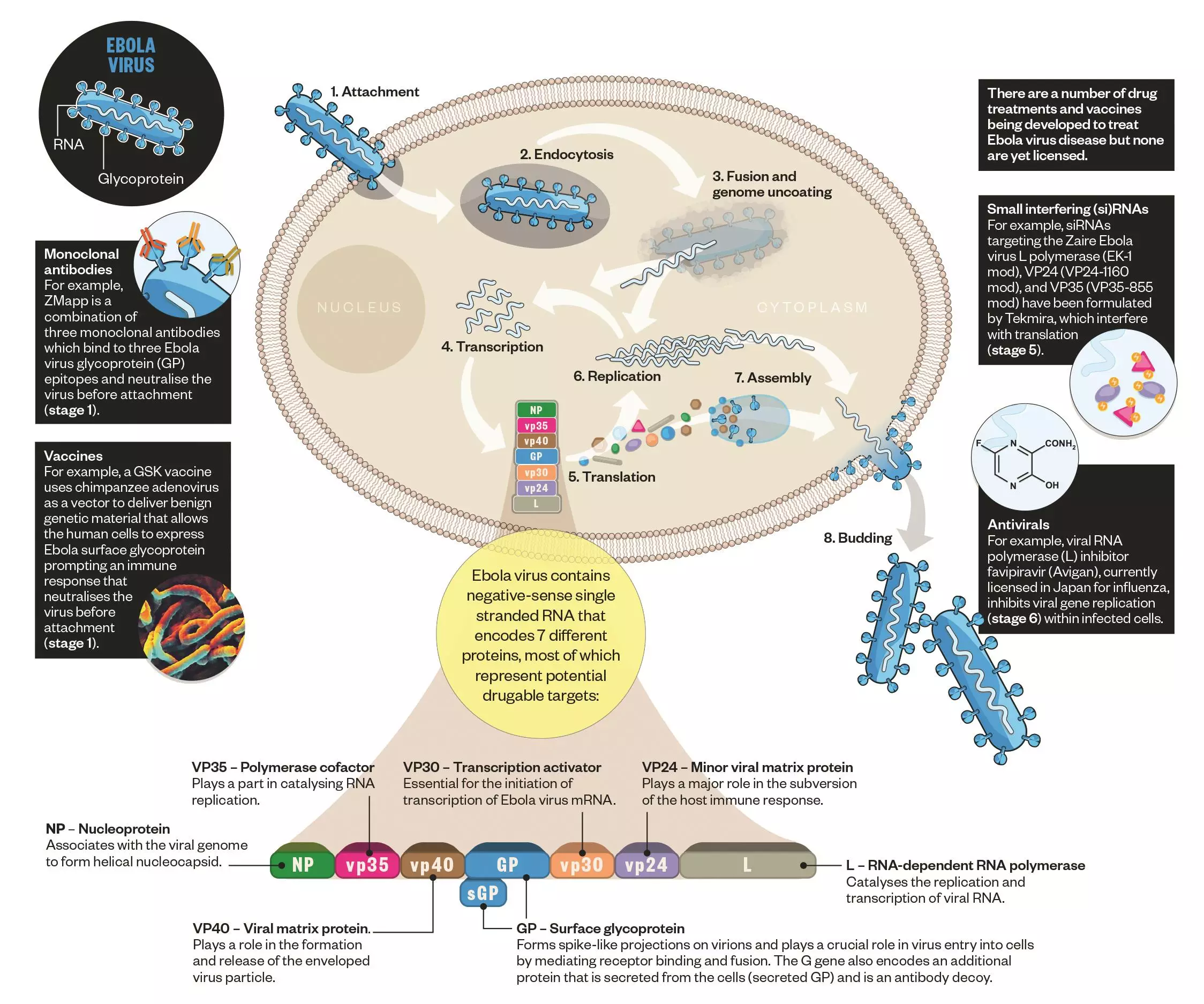
A visual guide to the Ebola virus epidemic The Pharmaceutical Journal

Ebola virus infographic Royalty Free Vector Image

Ebola virus disease The BMJ
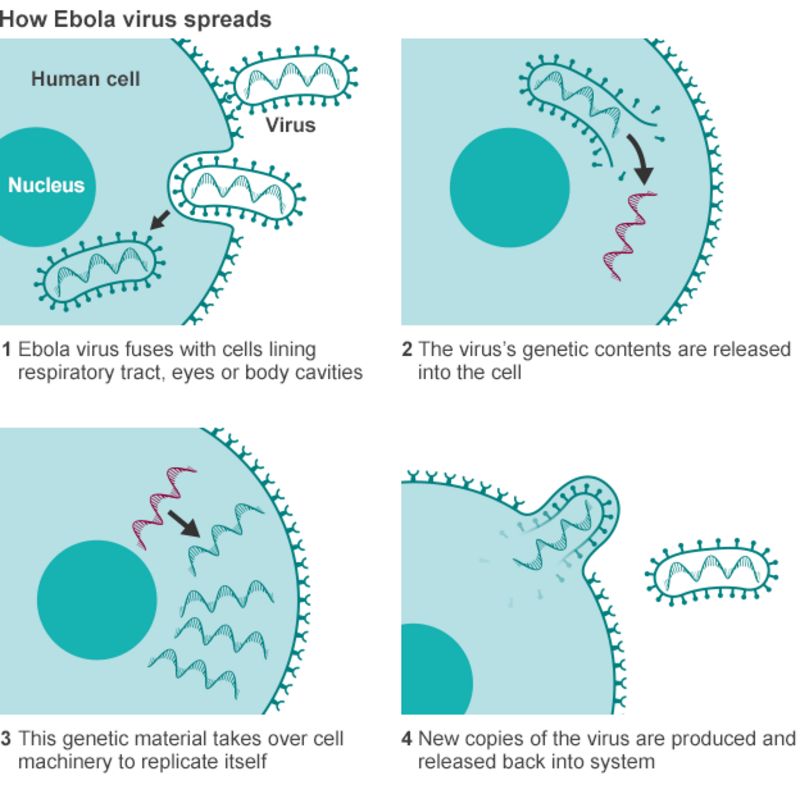
Ebola basics What you need to know BBC News

CDCEbolainfographic AAAASF
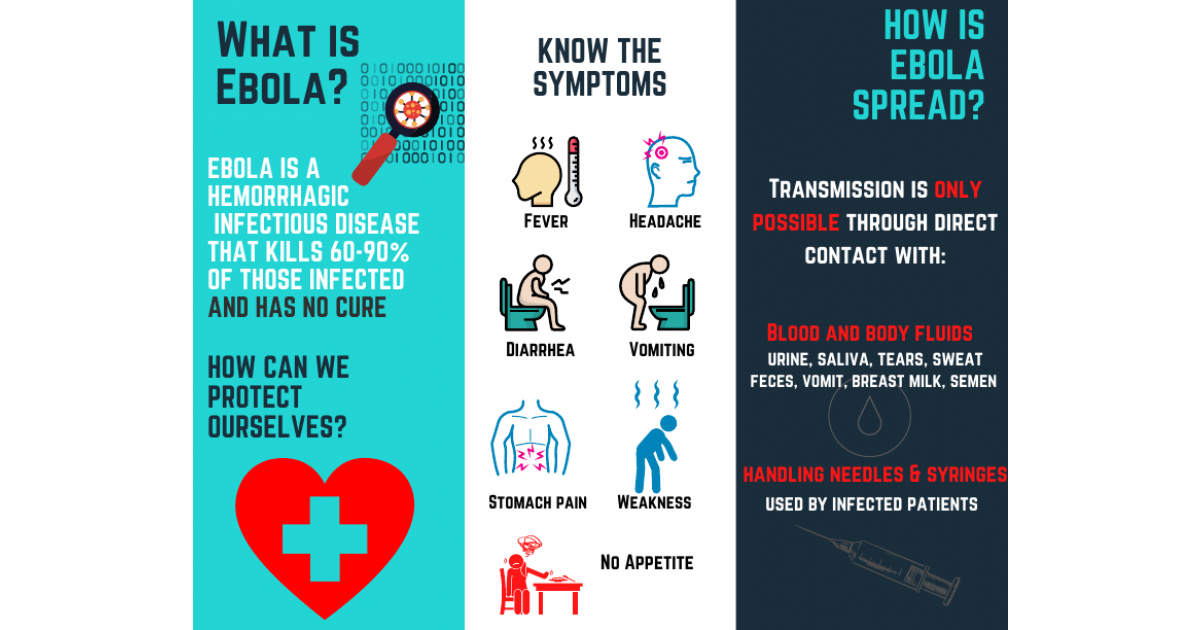
Portfolium Network Showcase Your Skills in an ePortfolio
Ebola Infographic Stock Photos, Pictures & RoyaltyFree Images iStock
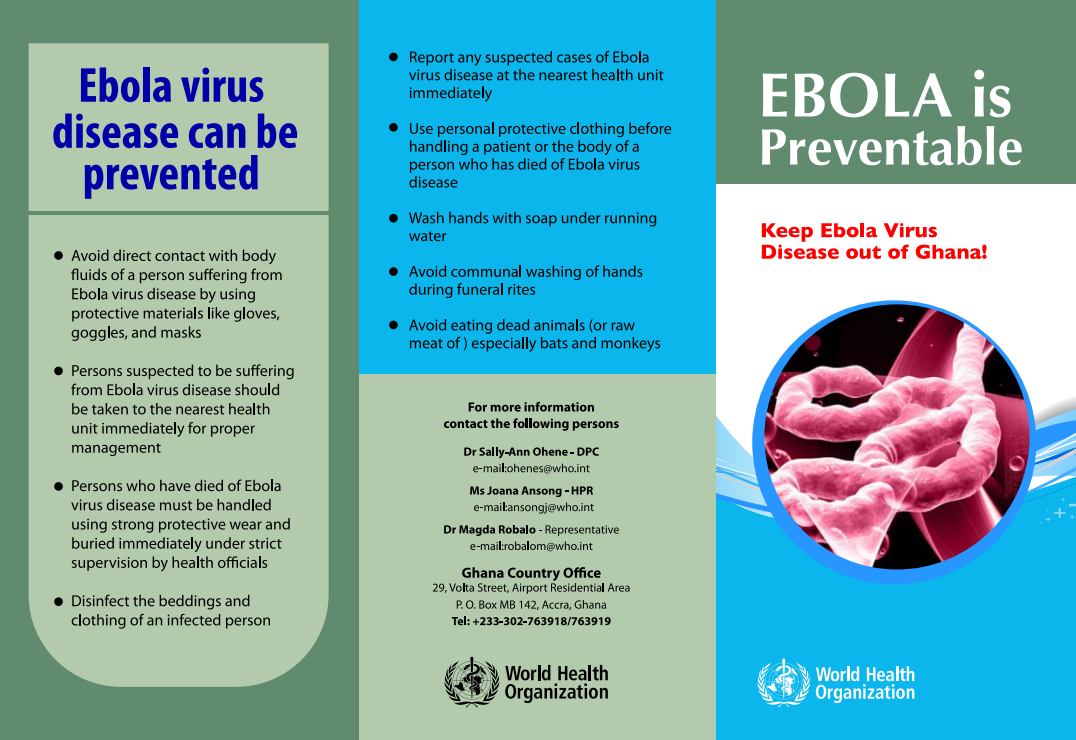
Ebola is preventable Keep Ebola Virus Disease out of Ghana! WHO

Ebola Virus Disease (EVD) Outbreaks, Control and Prevention Strategies
Download The Printable Pdf On This Page.
Ebola Virus Disease (Evd) Is A Rare And Deadly Disease In People And Nonhuman Primates.
The Disease Can Progress As A Viral Haemorrhagic Fever (Haemorrhagic = Causing Bleeding), Resulting In.
Ebola Virus, Sudan Virus And Bundibugyo.
Related Post:
