
Layers Of The Earth Brochure
Layers Of The Earth Brochure - While often simplified into four primary layers (crust, mantle, outer core, and inner core), geoscientists recognize a more nuanced structure, further dividing these major sections. ∼ 2830 kg/m3 at the continental crust and ∼ 3000 kg/m3 at the oceanic crust it is the outermost and thinnest layer of our planet and is least dense. The seven layers of earth are as follows: The crust, the mantle, and the core (figure 3.4). These divisions are based on differences in chemical. How does the composition of rock change across the lithosphere/asthenosphere boundary? Layers were deduced by sir isaac newton (1700) to inge lehmann (1937) earth’s 3 main layers: The four layers of the earth are the inner core, outer core, mantle, and crust. The earth’s layers, including the crust, mantle, outer core, and inner core, play a pivotal role in shaping the geological structures that we inhabit and observe today. The crust, the mantle, and the core, which is divided into the outer core and the inner core. Each layer has physical variations due. The crust, the mantle, and the core, which is divided into the outer core and the inner core. This reading focuses on the earth's core, explaining its. The earth’s internal structure can be broadly classified into three major categories: The earth’s layers, including the crust, mantle, outer core, and inner core, play a pivotal role in shaping the geological structures that we inhabit and observe today. This document describes the layers of the earth, including the inner core, outer core, mantle, and crust. What are the 7 layers of earth? The core accounts for almost half of earth’s radius, but it amounts to only 16.1% of earth’s volume. The crust, the mantle, and the core. Binocs as he explores the three distinct layers of earth, providing an engaging and educational overview suitable for kids. ∼ 2830 kg/m3 at the continental crust and ∼ 3000 kg/m3 at the oceanic crust it is the outermost and thinnest layer of our planet and is least dense. The earth’s internal structure can be broadly classified into three major categories: Contains hot dense liquid material,. The crust, the mantle, and the core (figure 3.4). It notes that the inner. In the layers of the earth diagram above, you can see each distinct layer is visually represented. It explains that the inner core is solid due to extreme pressure and temperature, while scientists can infer. These layers are based on chemical. To really understand earth, you need to travel thousands of. The crust, the mantle, and the core (figure 3.4). What are the 7 layers of earth? Earth consists of three main layers: ∼ 2830 kg/m3 at the continental crust and ∼ 3000 kg/m3 at the oceanic crust it is the outermost and thinnest layer of our planet and is least dense. These layers are based on chemical. The crust, the mantle, and the core (figure 3.4). The core accounts for almost half of earth’s radius, but it amounts to only 16.1% of earth’s volume. These divisions are based on differences in chemical. The crust, the mantle, and the core. This reading focuses on the earth's core, explaining its. Binocs as he explores the three distinct layers of earth, providing an engaging and educational overview suitable for. Thinnest yet most solid outermost layer of earth where humans live. Layers are defined by composition; The seven layers of earth are as follows: These divisions are based on differences in chemical. Contains hot dense liquid material,. To really understand earth, you need to travel thousands of. In the layers of the earth diagram above, you can see each distinct layer is visually represented. Contains hot dense liquid material,. This document describes the layers of the earth from the crust to the core. The crust, the mantle, and the core. This document describes the layers of the earth from the crust to the core. While often simplified into four primary layers (crust, mantle, outer core, and inner core), geoscientists recognize a more nuanced structure, further dividing these major sections. The four layers of the earth are the inner core, outer core, mantle, and crust. This document describes the layers of. Earth consists of three main layers: Binocs as he explores the three distinct layers of earth, providing an engaging and educational overview suitable for kids. It notes that the inner core is solid due to extreme pressure and temperature, while the. The core accounts for almost half of earth’s radius, but it amounts to only 16.1% of earth’s volume. These. To really understand earth, you need to travel thousands of. Earth consists of three main layers: The crust, the mantle, and the core (figure 3.4). The four layers of the earth are the inner core, outer core, mantle, and crust. These divisions are based on differences in chemical. This document describes the layers of the earth from the crust to the core. The four layers of the earth are the inner core, outer core, mantle, and crust. Contains hot dense liquid material,. The crust, the mantle, and the core, which is divided into the outer core and the inner core. ∼ 2830 kg/m3 at the continental crust and. Each layer has physical variations due. This document describes the layers of the earth from the crust to the core. How does the composition of rock change across the lithosphere/asthenosphere boundary? To really understand earth, you need to travel thousands of. Earth consists of three main compositional layers: It explains that the inner core is solid due to extreme pressure and temperature, while scientists can infer. Layers are defined by composition; Earth consists of three main layers: These layers are based on chemical. Thinnest yet most solid outermost layer of earth where humans live. What are the 7 layers of earth? ∼ 2830 kg/m3 at the continental crust and ∼ 3000 kg/m3 at the oceanic crust it is the outermost and thinnest layer of our planet and is least dense. In the layers of the earth diagram above, you can see each distinct layer is visually represented. Contains hot dense liquid material,. The seven layers of earth are as follows: The crust, the mantle, and the core, which is divided into the outer core and the inner core.
Information Technology Sample Brochure Layers of the Earth
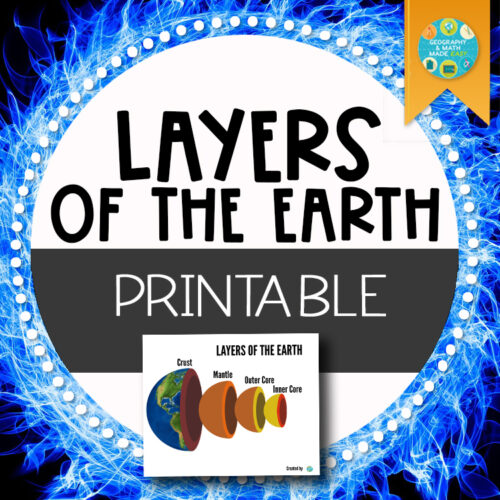
Geography & Science Layer of the Earth Poster and Printable Classful
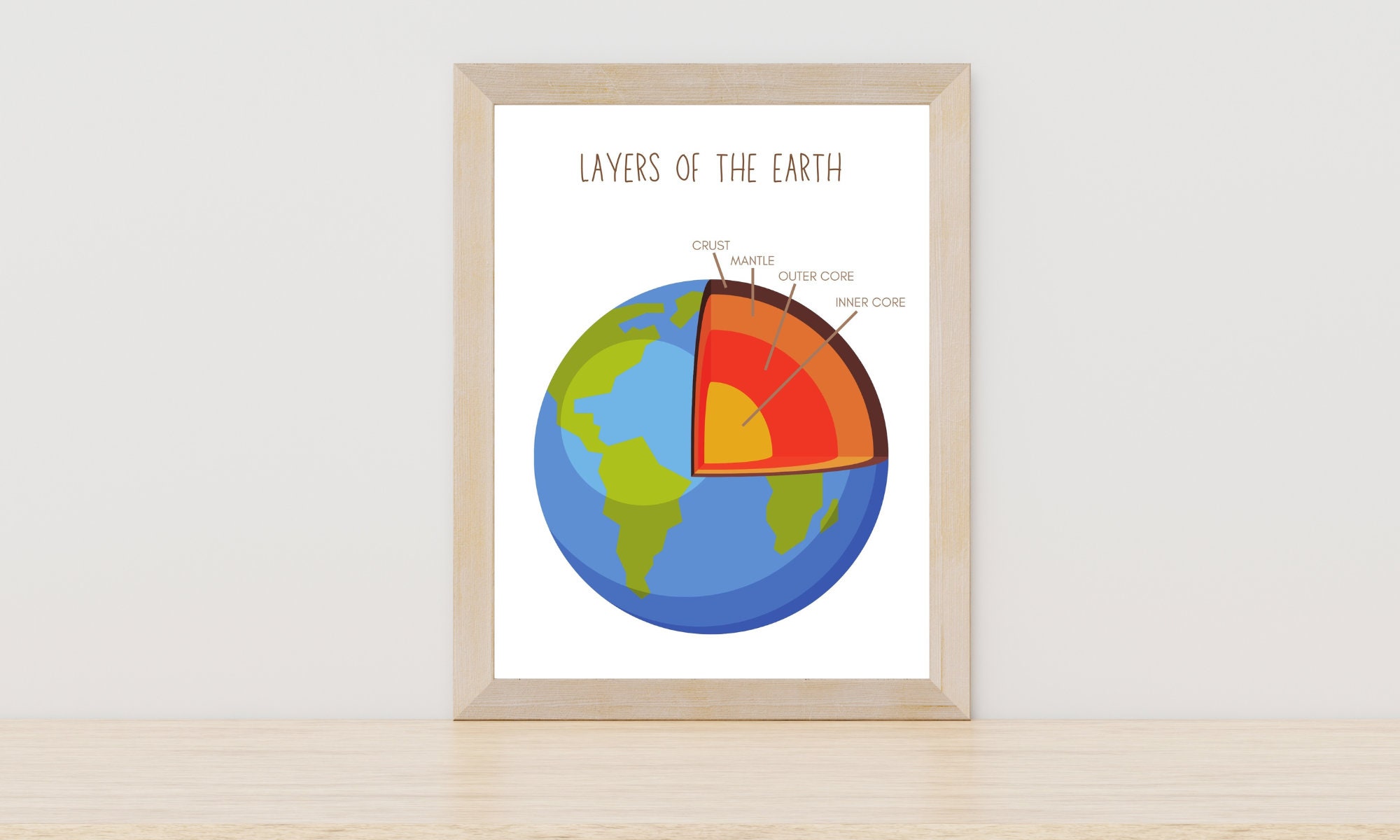
Layers of the Earth Poster, Earth Poster, Earth Science Poster

Our Earth Earth's Structure Poster Tiger Moon

Information Technology Sample Brochure Layers of the Earth

Teaching them how...
Layers of The Earth PDF Seismology Core
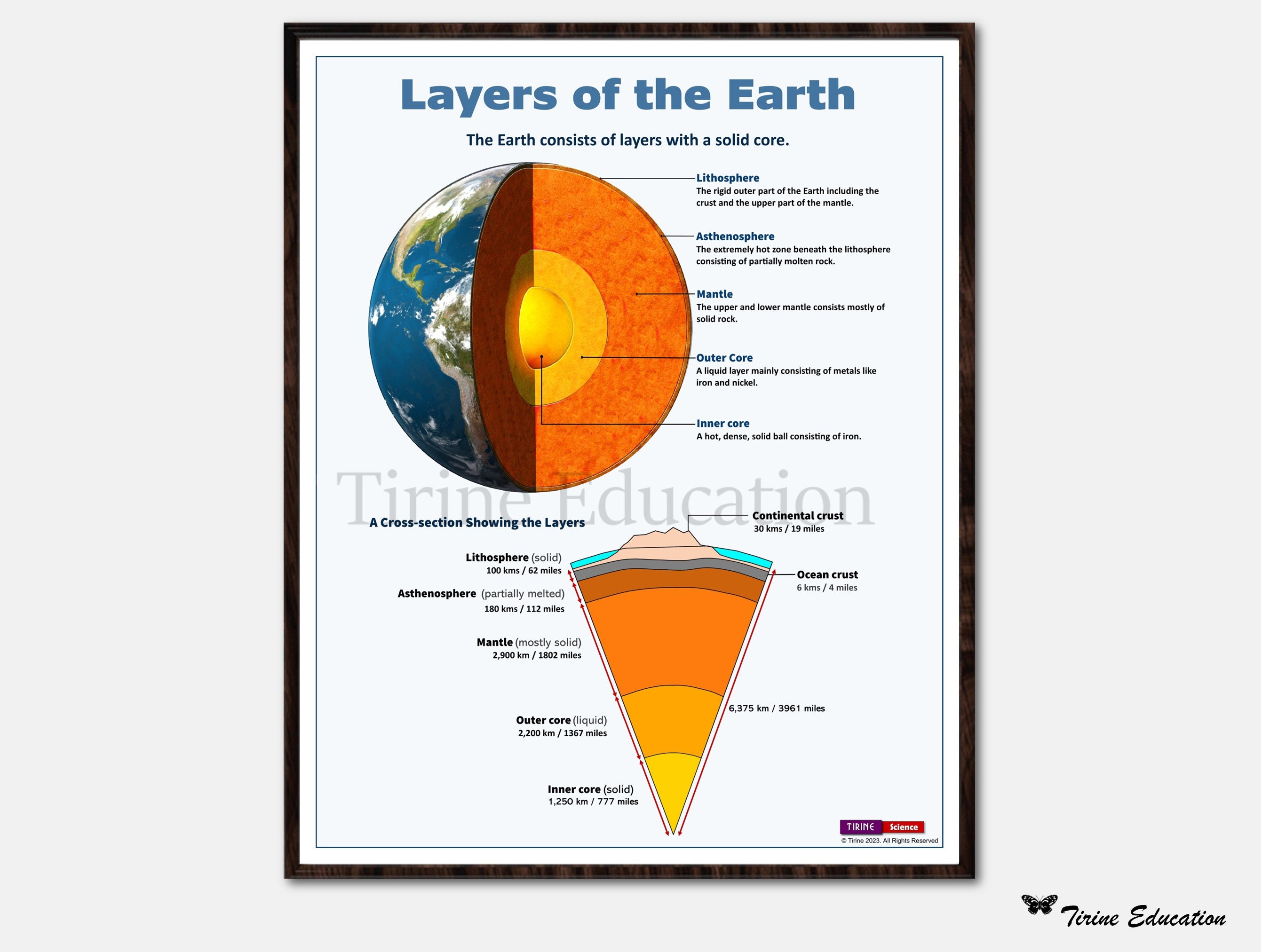
Layers of the Earth Science Poster, Science Poster, Educational Poster
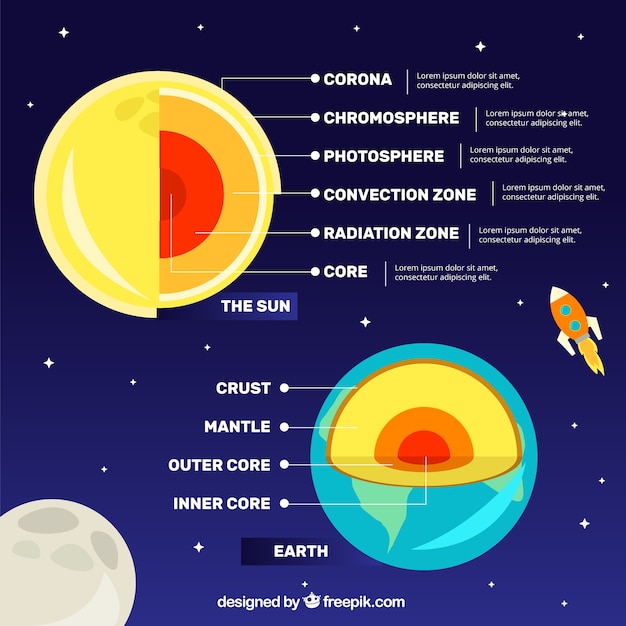
Free Vector Infographic about the layers of the earth
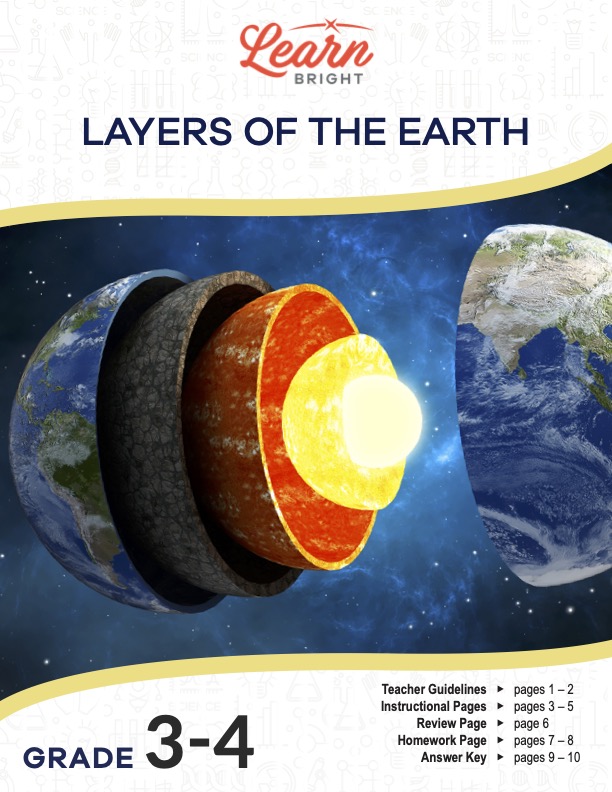
Layers of the Earth, Free PDF Download Learn Bright
It Notes That The Inner Core Is Solid Due To Extreme Pressure And Temperature, While The.
The Four Layers Of The Earth Are The Inner Core, Outer Core, Mantle, And Crust.
Binocs As He Explores The Three Distinct Layers Of Earth, Providing An Engaging And Educational Overview Suitable For Kids.
The Crust, The Mantle, And The Core (Figure 3.4).
Related Post:
