
Paper Weight For Brochures
Paper Weight For Brochures - The simple paper weight guide: What is the ideal stock weight for trifold brochures? Keeping a balance between quality and cost, it is an exclusive choice for flyers and marketing. Light and economical, this type of paper is generally used for. Offering a substantial feel without the rigidity of cardstock, this weight is excellent for premium. To ensure your brochure stands out, it’s important to select the paper stock that best aligns with your brand and purpose. Whether you're producing business cards, brochures, or books, understanding how different paper weights affect durability, appearance, and functionality is essential. Tangible marketing materials, such as. Here is a quick guide to the different types of paper weights for brochures that we offer at copymage: Everything you need to know to choose paper for your printed brochure. Choose the best paper weight according to the specifics of your print job. Can be used as internal brochure pages, more durable posters and budget leaflets. To ensure your brochure stands out, it’s important to select the paper stock that best aligns with your brand and purpose. There’s also functional aspects to consider, as thicker paper. Common weights for brochures include: Choose the right paper weight and thickness for your printing, from brochures to business cards, with tips for achieving perfect results. Choosing the right paper stock involves. Let's discuss paper weights and how the thickness of paper used for print brochures can impact the cost and quality of print. Paper weight varies based on the type of product being created, such as business cards, brochures, or posters. This paper is similar to the type of paper you would find in a book. Offering a substantial feel without the rigidity of cardstock, this weight is excellent for premium. To ensure your brochure stands out, it’s important to select the paper stock that best aligns with your brand and purpose. Whether you're producing business cards, brochures, or books, understanding how different paper weights affect durability, appearance, and functionality is essential. Choose the right paper. To calculate brochure weight, enter the document size, quantity, paper weight, and number of pages. The lightest and most cost effective paper weight for brochures is 70 lb text. Magazines in newsagents have covers. Offering a substantial feel without the rigidity of cardstock, this weight is excellent for premium. Choose the right paper weight and thickness for your printing, from. There’s also functional aspects to consider, as thicker paper. Everything you need to know to choose paper for your printed brochure. Let's discuss paper weights and how the thickness of paper used for print brochures can impact the cost and quality of print. It affects the quality, feel, and appearance of your final product. This paper is similar to the. Whether you are designing business cards, brochures, invitations, or flyers, the types of paper you print on affect how your final piece looks, feels, and even how long it lasts. Light and economical, this type of paper is generally used for. Therefore, it can be flimsy and. Used for standard text documents, brochures, and booklets. Paper weight, often measured in. There’s also functional aspects to consider, as thicker paper. Here is a quick guide to the different types of paper weights for brochures that we offer at copymage: Whether you're producing business cards, brochures, or books, understanding how different paper weights affect durability, appearance, and functionality is essential. Choose the best paper weight according to the specifics of your print. There are two main types of paper weight for. When you’re working on a printing project, like making invitations, posters, or flyers, it’s important to choose the right. Choosing the right paper weight is crucial for your print projects. It affects the quality, feel, and appearance of your final product. Weight, finish, texture—all impact perception of your brand presentation. Common weights for brochures include: Paper stock selection affects everything. Our paper weight chart will help you to compare different paper thickness and find the right one for your print project. Let's discuss paper weights and how the thickness of paper used for print brochures can impact the cost and quality of print. Therefore, it can be flimsy and. Therefore, it can be flimsy and. Used for standard text documents, brochures, and booklets. There’s also functional aspects to consider, as thicker paper. Keeping a balance between quality and cost, it is an exclusive choice for flyers and marketing. Paper weight, often measured in gsm (grams per square meter), determines the thickness and sturdiness of the paper. Let's discuss paper weights and how the thickness of paper used for print brochures can impact the cost and quality of print. Choosing the right paper weight for your printing project. Paper weight, often measured in gsm (grams per square meter), determines the thickness and sturdiness of the paper. Magazines in newsagents have covers. There are two main types of. There’s also functional aspects to consider, as thicker paper. Whether you're producing business cards, brochures, or books, understanding how different paper weights affect durability, appearance, and functionality is essential. Choosing the right paper weight is crucial for your print projects. The approximate weight of a publication can be determined based on the. Magazines in newsagents have covers. Choosing the right paper stock involves. To calculate brochure weight, enter the document size, quantity, paper weight, and number of pages. Here is a quick guide to the different types of paper weights for brochures that we offer at copymage: The approximate weight of a publication can be determined based on the. The simple paper weight guide: Choosing the right paper weight for your printing project. Paper weight, often measured in gsm (grams per square meter), determines the thickness and sturdiness of the paper. Common weights for brochures include: How to choose paper for printing step 1: Our paper weight chart will help you to compare different paper thickness and find the right one for your print project. Magazines in newsagents have covers. For example, business cards require heavier paper for a solid,. It affects the quality, feel, and appearance of your final product. When you’re working on a printing project, like making invitations, posters, or flyers, it’s important to choose the right. What is the ideal stock weight for trifold brochures? Considered to be card stock.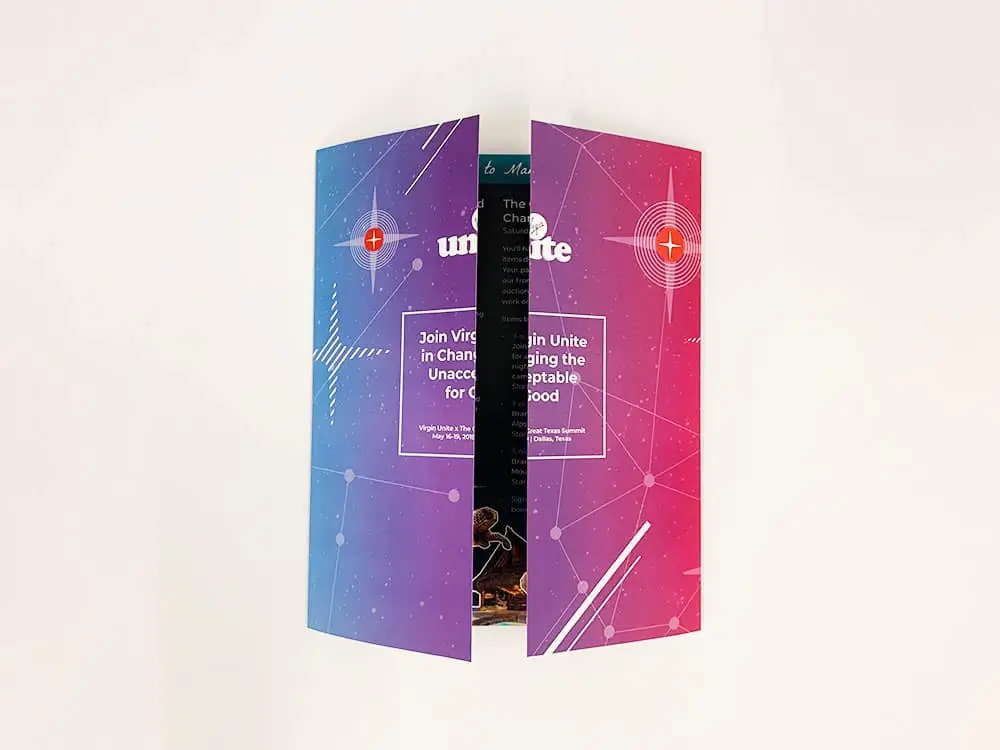
How is Paper Weight Measured? How to Choose the Right Paper Weight for
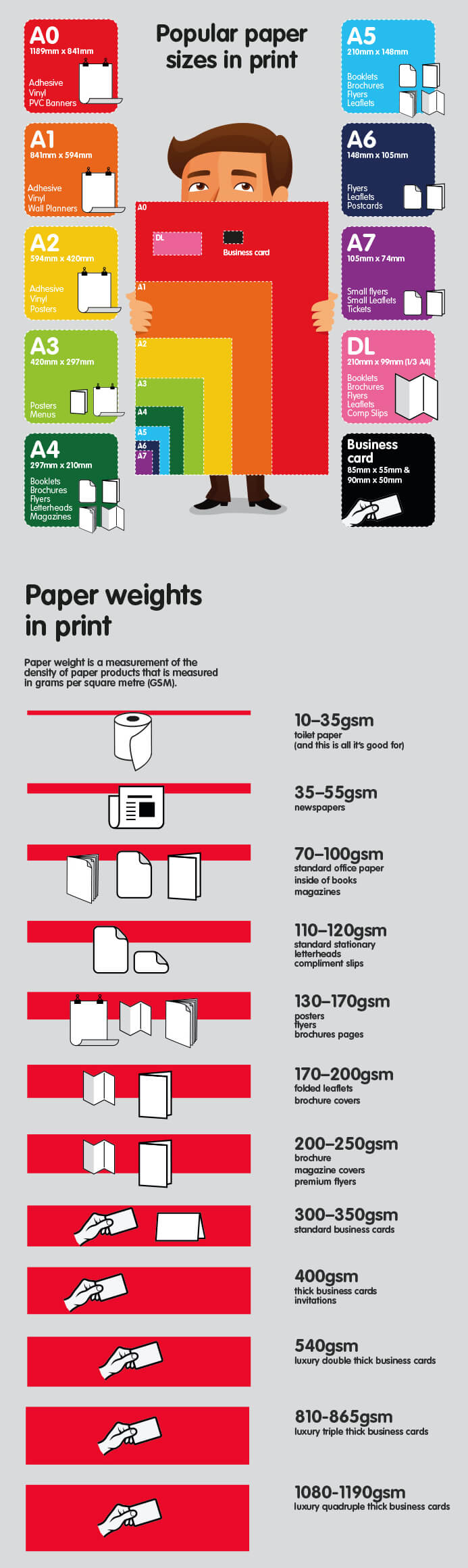
Paper Weight Paper Thickness Paper Weight Guide

Paper 101 Paper Weight Guide About Paper Weights and Paper Terms
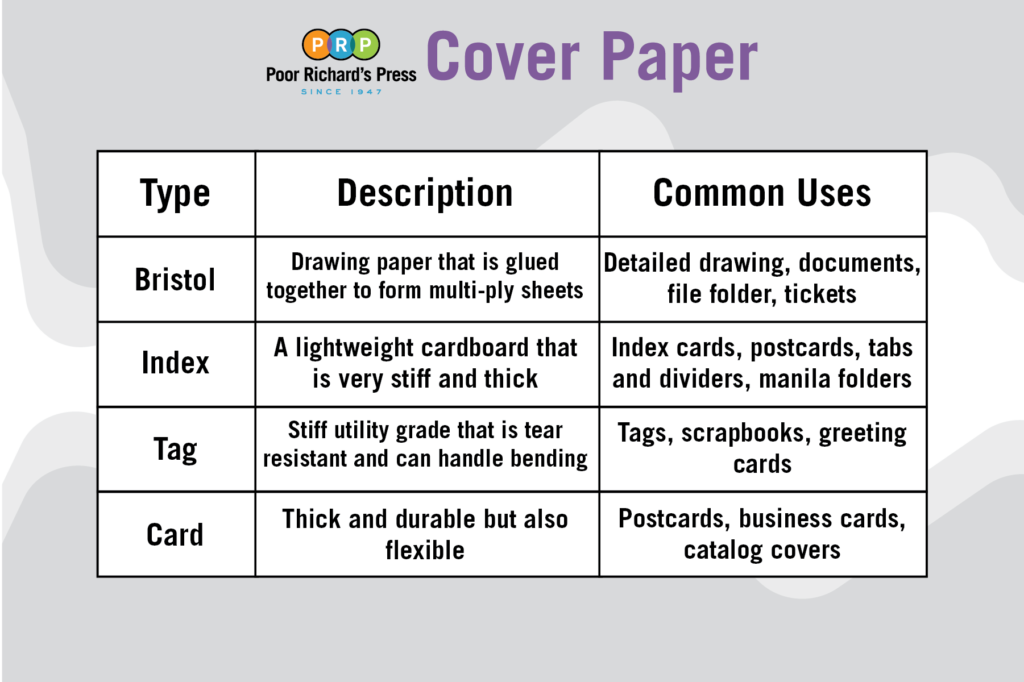
The Ultimate Guide to Understanding Paper Weight Poor Richard’s Press
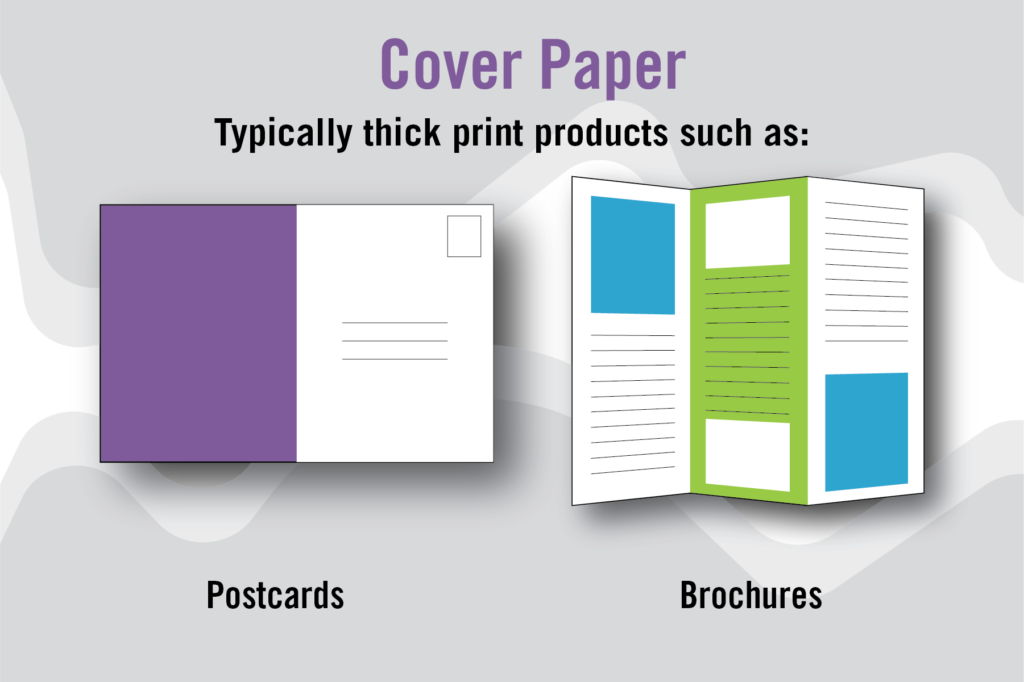
The Ultimate Guide to Understanding Paper Weight Poor Richard’s Press
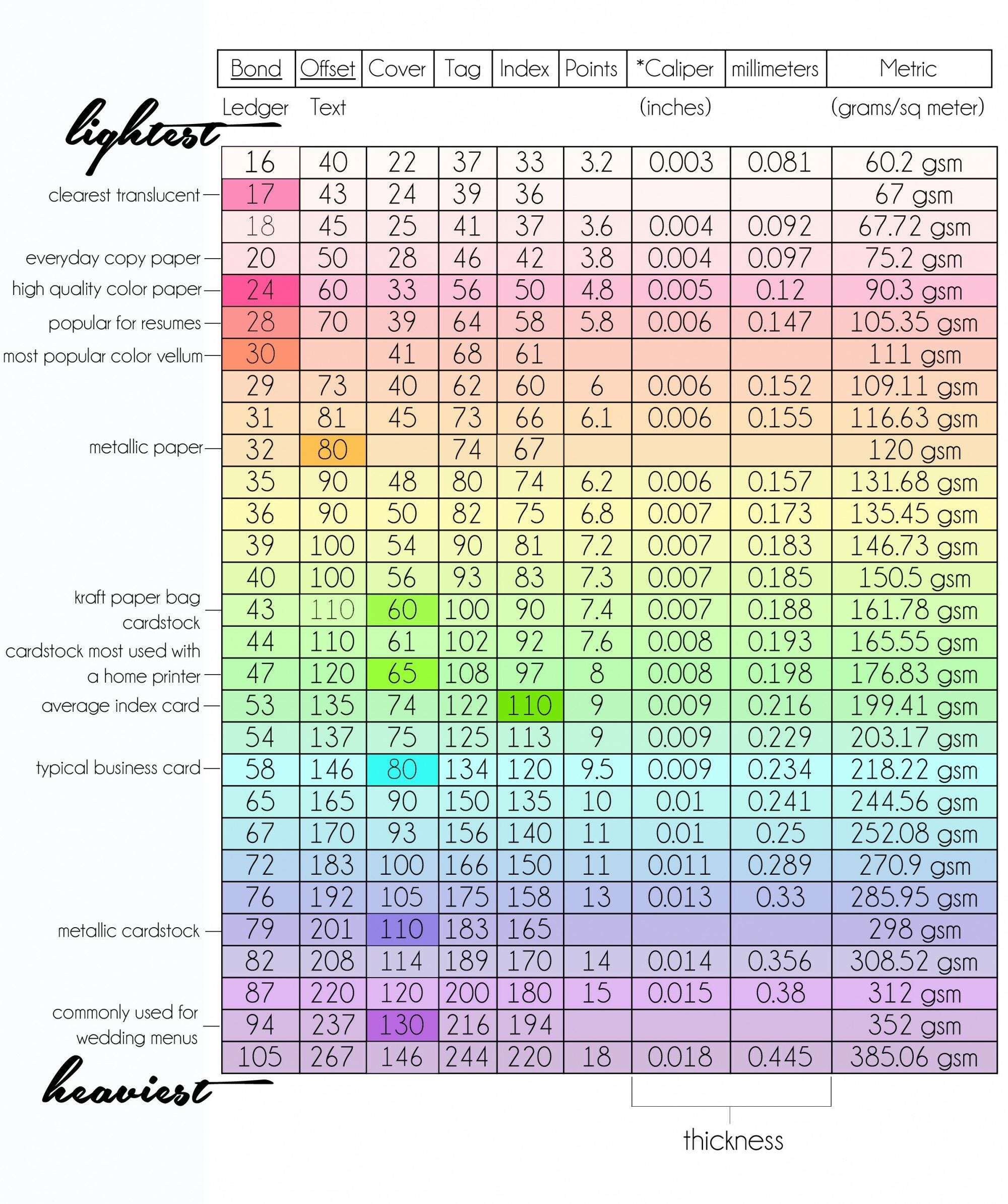
Paper Weight Everything You Need to Know JAM Paper

Brochure Size 101 A Beginner's Guide
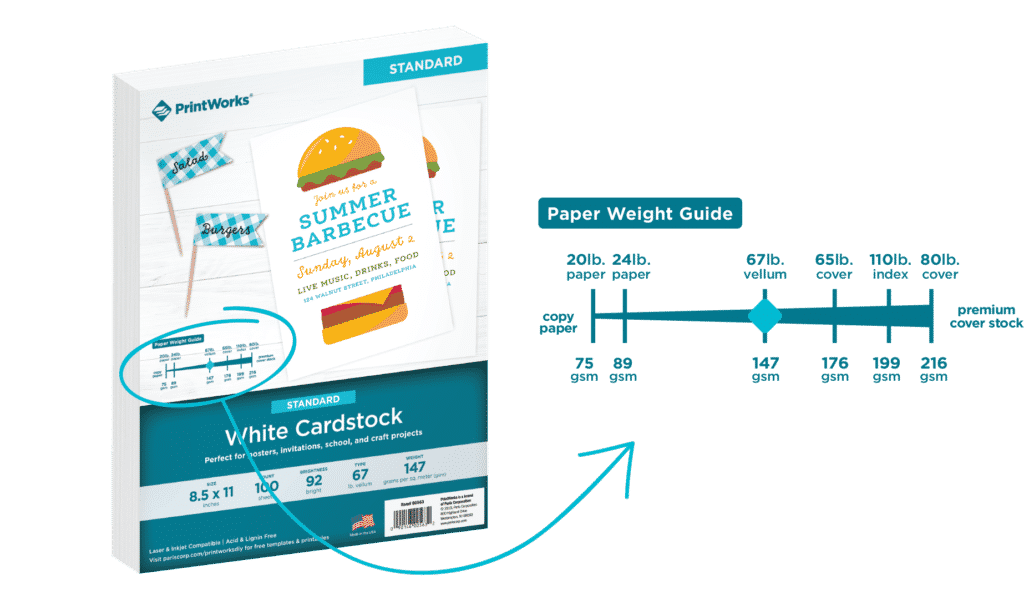
Paper Weight Guide and Best Uses Paris Corporation
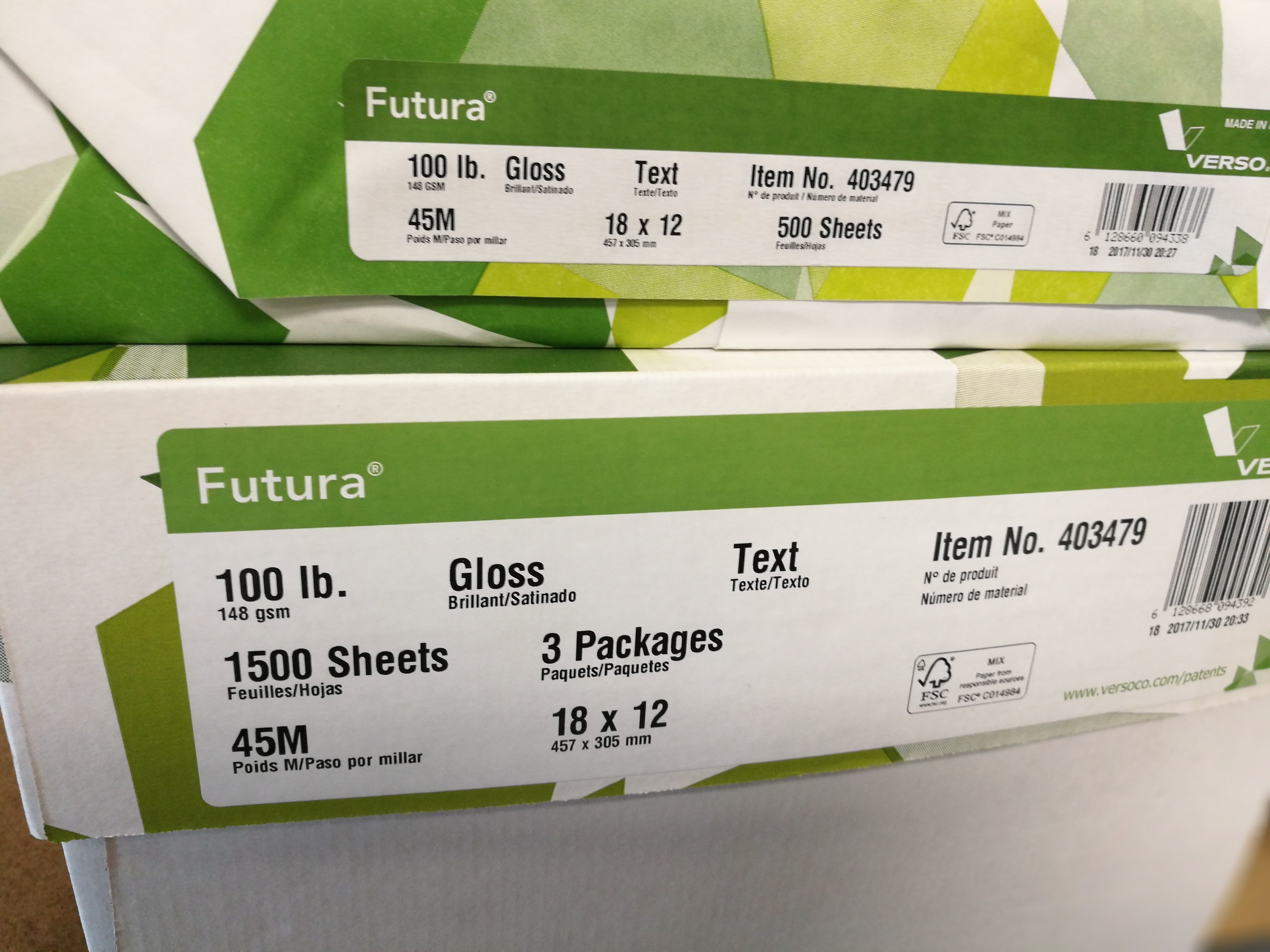
Help with paper weight selection for brochure Printing and Prepress

Paper Weight Guide
Whether You're Producing Business Cards, Brochures, Or Books, Understanding How Different Paper Weights Affect Durability, Appearance, And Functionality Is Essential.
To Ensure Your Brochure Stands Out, It’s Important To Select The Paper Stock That Best Aligns With Your Brand And Purpose.
Can Be Used As Internal Brochure Pages, More Durable Posters And Budget Leaflets.
Whether You Are Designing Business Cards, Brochures, Invitations, Or Flyers, The Types Of Paper You Print On Affect How Your Final Piece Looks, Feels, And Even How Long It Lasts.
Related Post: